Cedarwood oil in a face oil for men
Cedrus Atlantica Bark Oil · essential oil · 0.4% of the formula, within the 2.0% blend
The cedarwood in this face oil is Atlas cedar oil, printed on the label as Cedrus Atlantica Bark Oil. It is 0.4% of the bottle, one of five essential oils in a 2.0% blend.
It adds scent: the dry, woody low note the rest of the blend stands on. Everything that carries it is plain oil, mostly jojoba, at 82.5%.
By Jon Gore, founder, Berlin · Last reviewed
What is Atlas cedar oil?
An essential oil of Cedrus atlantica, the Atlas cedar. The INCI name on the label is Cedrus Atlantica Bark Oil, and that is the name this sheet goes by: the bark of the Atlas cedar, by the label's own account. How ours was distilled is not on file yet. Of the nine ingredients it is the one that smells most like furniture, and that is meant kindly.
It earns its line on the label and not a milligram more. With Australian sandalwood oil it is why the blend finishes warm rather than green.
What does 0.4% mean?
0.4%, inside the 2.0% blend: the same as the lavender and the frankincense, Boswellia serrata. The grounding note in a formula that ends quiet. For scale, rosehip seed oil is 15% of the bottle, nearly forty times as much.
Woods at the bottom, herbs at the top, resin in between: the blend reads like a sensible bookshelf.
What does cedarwood do in this bottle?
| Aspect | In this bottle |
|---|---|
| Scent | Dry, woody, low: the shelf the other scents stand on. |
| Proportion | 0.4%. A small voice, used steadily. |
| Register | The blend's low note. With sandalwood it is why the formula finishes warm rather than green. |
Everything here is sensory or compositional. None of it is a medical claim: none may be made, and none is needed.
What does it not do?
Does not ground you. It grounds the scent.
Does not build character.
Is not a forest bath.
Is not therapy in a tree's clothing.
A very good smell from a very old tree, doing one job at one dose. Next in the Formulary, and less glamorous still, is vitamin E, which slows the oil oxidising in the bottle.
Where does it come from?
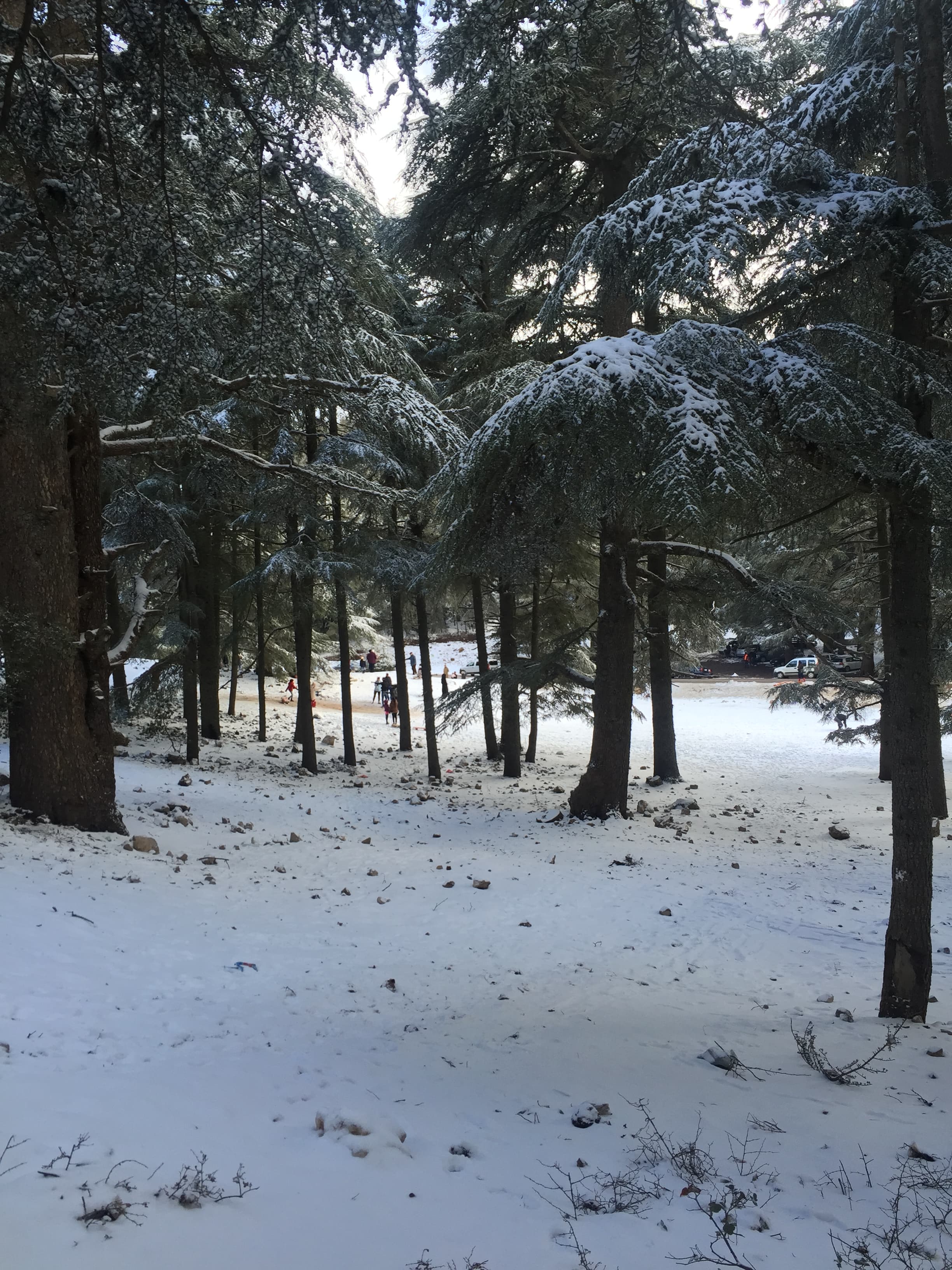
Atlas cedar stands in the mountains of Morocco: high, dry country that suits a slow tree.
[ Distiller and certificate of analysis pending; the mountain range is the only provenance printed until then. ]
What does "dermatologist-tested" mean on a label?
Tested how, on how many people, against what, with what result? The phrase asserts that a noun once met another noun. No outcome is stated, because none has to be. It is not printed here.
Questions
- Does it smell of roses?
- No. Refined rosehip seed oil smells of very little. The scent comes from sandalwood, lavender, frankincense, cedar and tea tree, 2% together. Why rosehip seed oil has no rose scent
- Is it natural, vegan, organic?
- It is not certified organic. Nine ingredients, all printed on the label: eight plant oils and vitamin E, none from animals. All nine ingredients